For years, digital marketing dominated industry conversations. Brands chased clicks, impressions, CPMs, and algorithm hacks while traditional outdoor advertising was often labeled “old-school.”
But something changed.
Consumers became overwhelmed with digital clutter. Banner blindness increased. Attention spans dropped. Ad fatigue exploded. Suddenly, brands started searching for something digital alone couldn’t provide: real-world attention.
That’s where OOH Innovation entered the spotlight.
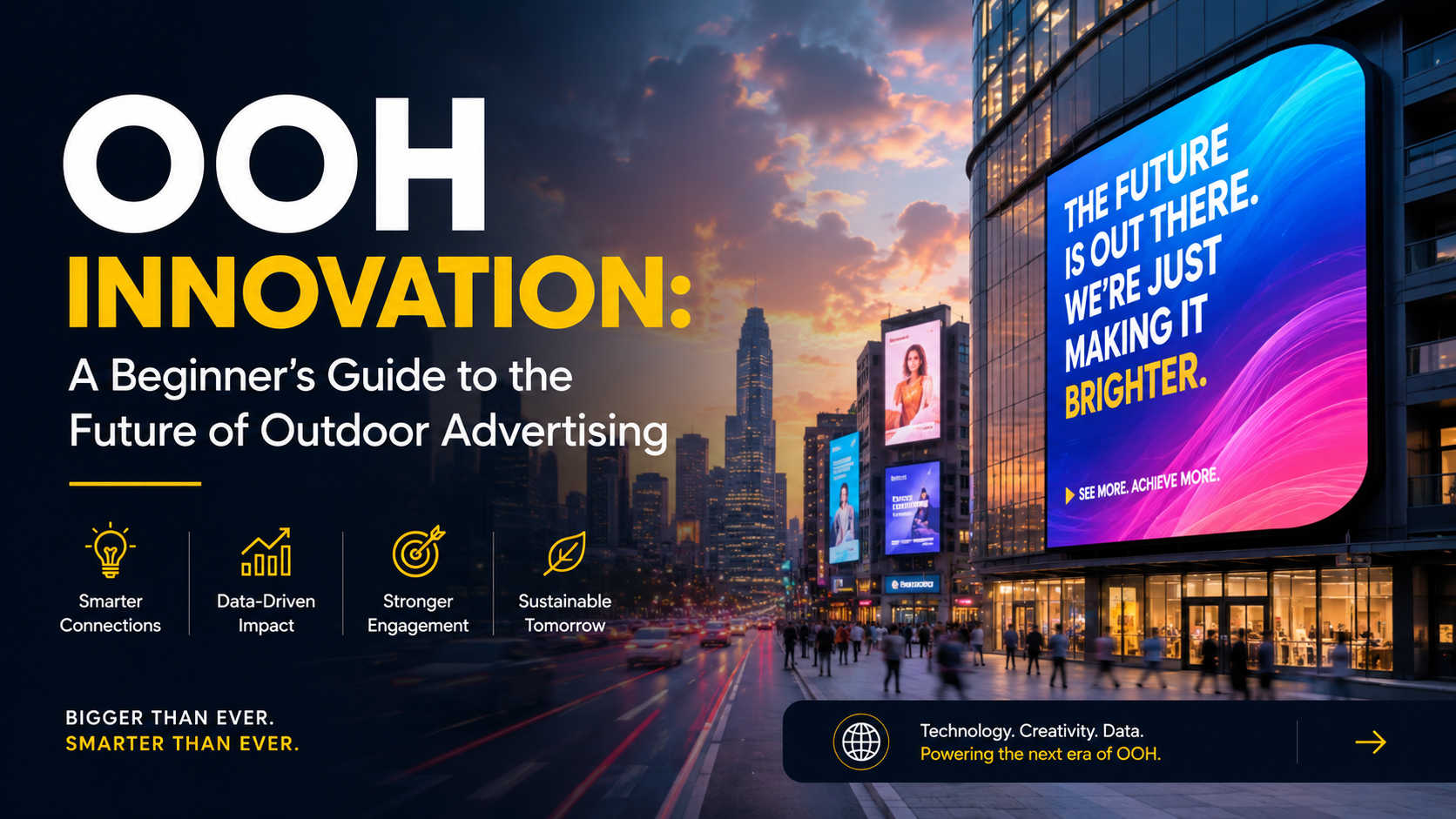
Modern Out-of-Home advertising is no longer just giant billboards on highways. Today’s OOH ecosystem combines technology, data, AI, mobile integration, geo-targeting, and immersive storytelling to create campaigns people actually notice — and remember.
From smart LED screens and QR-integrated hoardings to programmatic DOOH and experiential transit media, outdoor advertising is evolving faster than ever. Industry discussions increasingly highlight how OOH is becoming data-driven, interactive, and measurable.
And in India, agencies like Big Banner Media (BBM) are leading this transformation by blending massive outdoor visibility with performance-focused digital strategies.
This guide breaks down everything beginners need to know about OOH innovation in 2026 — and why the future of advertising may belong to brands that dominate both streets and screens.
What is OOH Innovation?
The Shift from Static Billboards to Intelligent Media
OOH (Out-of-Home) advertising refers to any advertising consumers encounter outside their homes. Traditionally, this included:
- Hoardings
- Billboards
- Bus shelters
- Transit branding
- Pole kiosks
- Mall branding
- Airport advertising
But modern OOH Innovation transforms these static placements into smart advertising ecosystems.
Today’s campaigns use:
- Digital LED displays
- Real-time content updates
- AI-powered audience targeting
- QR code integrations
- Mobile retargeting
- Programmatic buying
- Geo-fencing
- Interactive experiences
The result? Outdoor advertising is no longer just about visibility. It’s about measurable engagement.
Brands are now using outdoor campaigns to trigger online behavior — driving consumers directly from roads to websites, Instagram pages, apps, and eCommerce platforms.
Why OOH Advertising is Making a Massive Comeback
Consumers Ignore Ads Online — But Not in the Real World
Digital advertising costs are increasing every year.
Meanwhile:
- Users skip YouTube ads
- Install ad blockers
- Ignore display banners
- Scroll past social ads within seconds
Outdoor advertising operates differently.
It exists in the physical world where attention is naturally higher. Studies and industry reports consistently show OOH creates stronger brand recall because consumers experience it within their real-life environment.
Why OOH Works in 2026
1. High Visibility
Billboards cannot be skipped or blocked.
2. Constant Exposure
Consumers repeatedly encounter the same placement during daily commutes.
3. Strong Brand Recall
Large-format visuals create memorable impressions.
4. Digital Integration
Modern campaigns connect outdoor visibility with online conversion funnels.
5. Social Virality
Creative OOH campaigns often become Instagram and LinkedIn content themselves.
This is exactly the strategy used by Big Banner Media through its “From Streets to Screens” approach — combining OOH awareness with digital retargeting and performance marketing.
The Biggest OOH Innovation Trends Dominating 2026
The Technologies Reshaping Outdoor Advertising
The future of outdoor advertising is being driven by technology.
Here are the biggest trends brands need to watch:
1. Digital Out-of-Home (DOOH)
DOOH uses LED screens and digital displays instead of static print hoardings.
Benefits include:
- Dynamic creatives
- Time-based messaging
- Weather-triggered ads
- Real-time updates
- Multiple campaigns on one screen
For example:
- A coffee brand can run ads during cold mornings
- Food delivery ads can appear during lunch hours
- Rainwear brands can activate campaigns during rainfall
Industry discussions show marketers increasingly view DOOH as the bridge between traditional visibility and digital precision.
2. Programmatic OOH
Programmatic DOOH automates outdoor ad buying using data and AI.
Instead of manually booking hoardings, brands can:
- Target specific audiences
- Change creatives instantly
- Optimize based on traffic
- Measure campaign performance
This makes OOH behave more like Meta Ads or Google Ads — but in the physical world.
3. QR-Based Interactive Campaigns
QR-enabled campaigns exploded after smartphone adoption accelerated.
Today’s consumers scan billboards to:
- Visit landing pages
- Claim offers
- Download apps
- Watch videos
- Enter contests
This turns outdoor advertising into a direct-response channel.
4. AI-Powered Audience Targeting
AI now helps agencies determine:
- Best billboard locations
- Peak traffic timings
- Audience demographics
- Visibility heatmaps
- Optimal creative formats
Smarter placement equals higher ROI.
5. Experiential OOH
Experiential advertising transforms passive viewers into active participants.
Examples include:
- Motion-sensitive screens
- AR activations
- 3D billboards
- Interactive installations
- Gamified transit branding
These campaigns generate both footfall and social media virality.
How BBM is Redefining OOH Innovation in India
From Streets to Screens: The New Advertising Formula
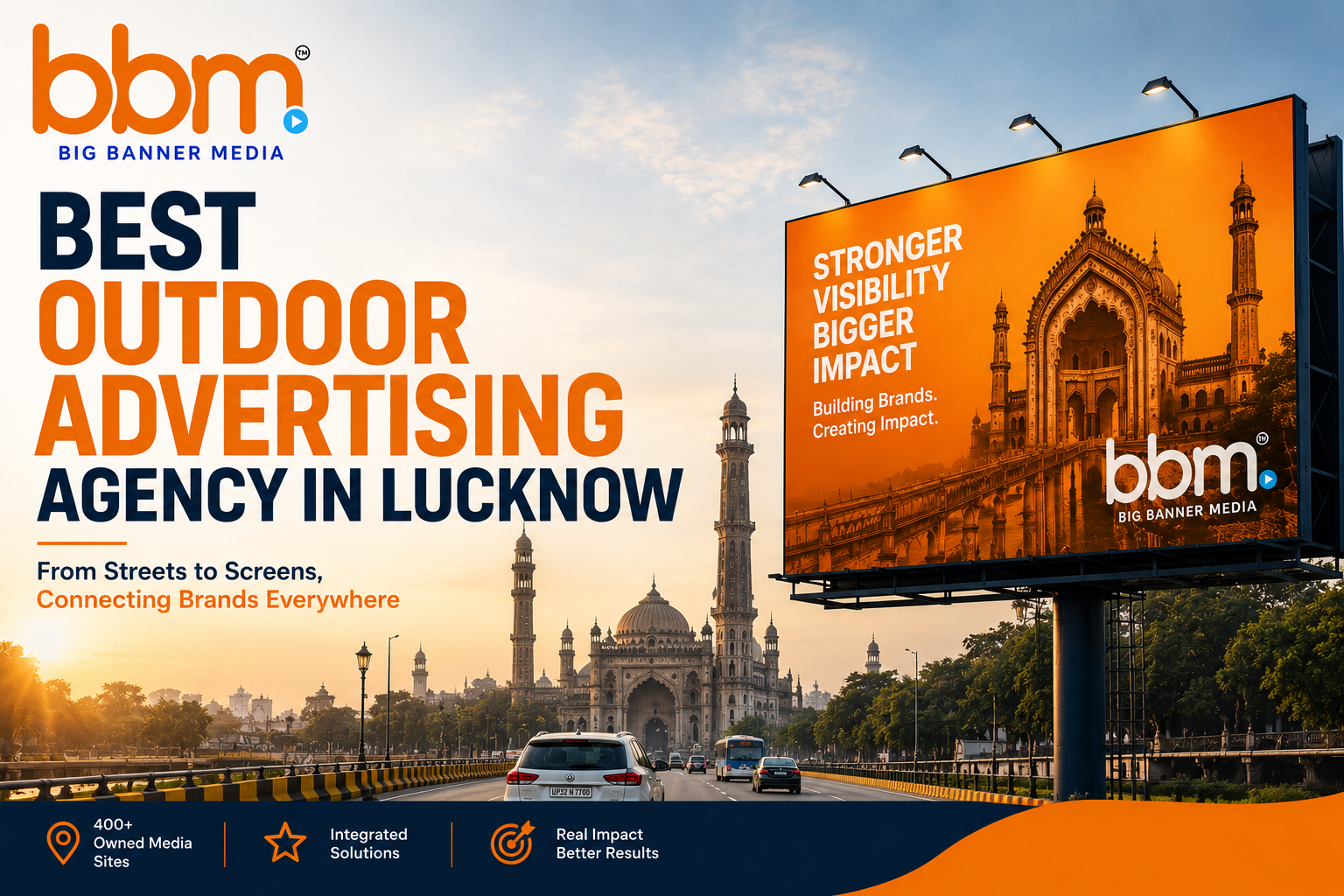
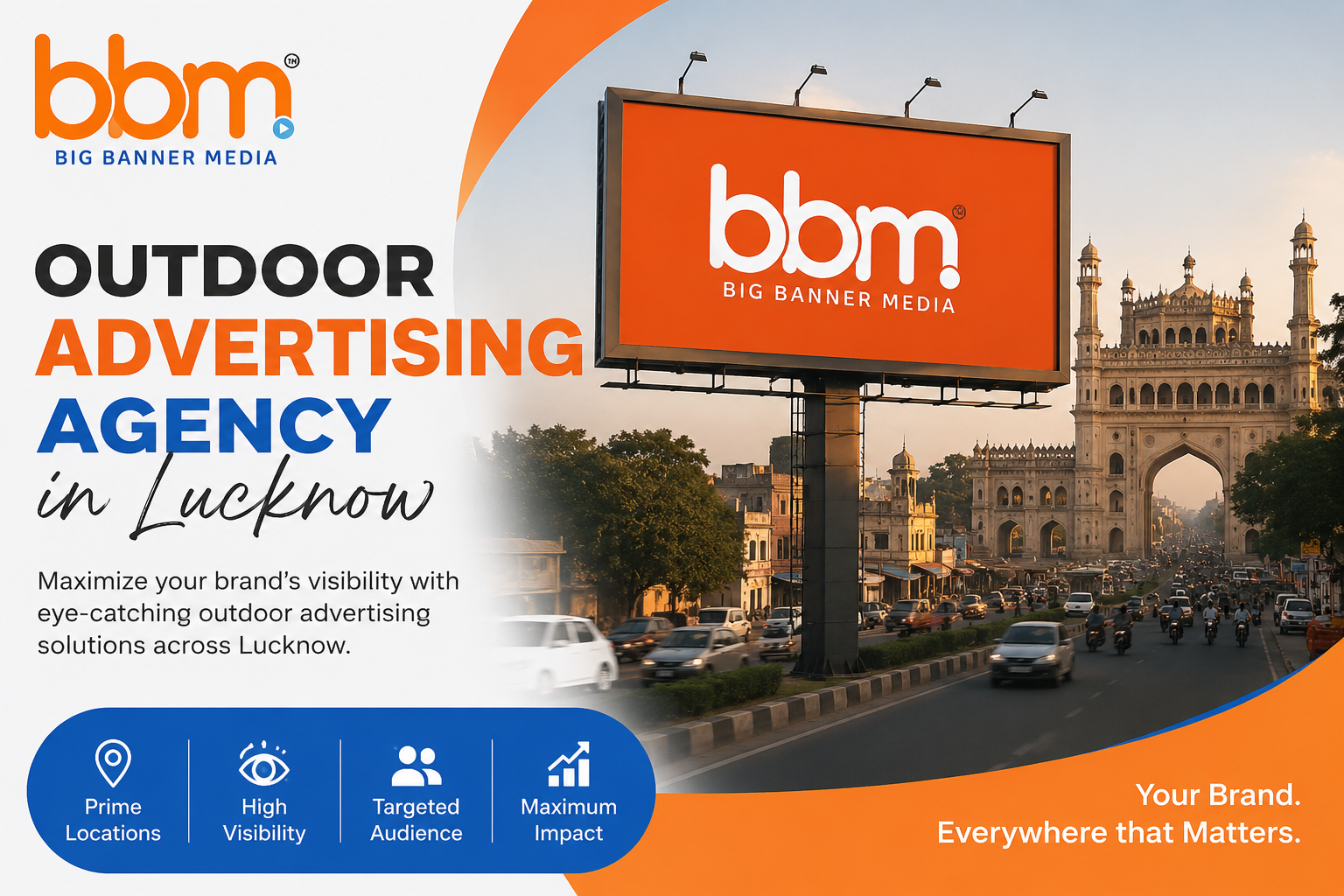
India’s outdoor advertising landscape is evolving rapidly, and Big Banner Media has positioned itself at the center of this transformation.
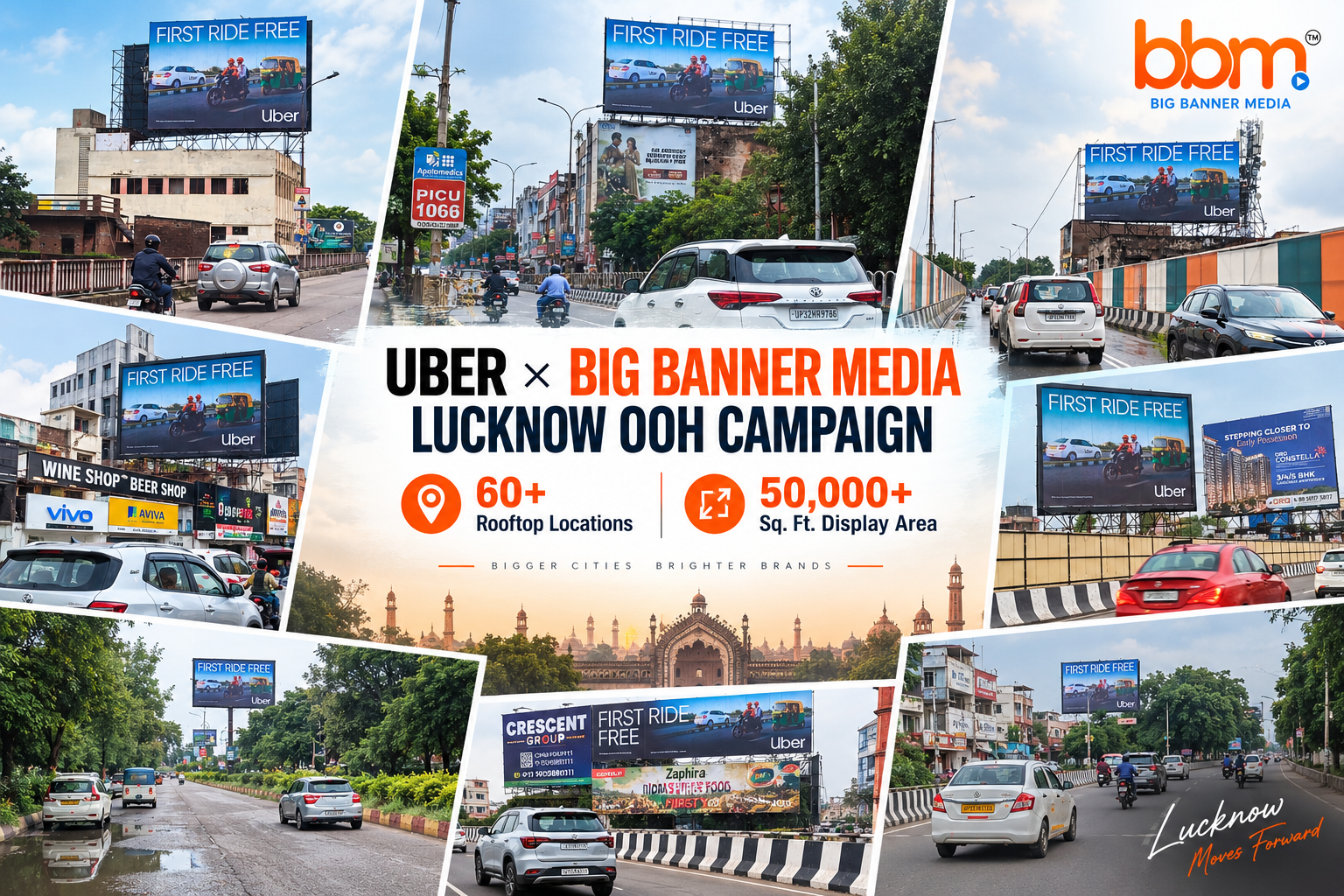
Founded in 2013, BBM has evolved from a traditional outdoor advertising company into an integrated media powerhouse with:
- 400+ owned media sites
- Pan-India presence
- In-house fabrication
- LED van networks
- Digital marketing capabilities
- Performance-driven campaign execution
What separates BBM from traditional agencies is its integrated philosophy.
Instead of treating OOH and digital marketing separately, BBM connects them into one customer journey:
Awareness → Engagement → Conversion
A consumer sees a billboard.
Search interest increases.
Digital ads retarget them online.
Leads and conversions follow.
This hybrid model reflects where the entire advertising industry is heading.
Notable Innovations by BBM
- Large-format gantry campaigns
- IPL-integrated branding
- Smart transit advertising
- LED van campaigns
- QR-enabled outdoor activations
- Multi-city synchronized branding
Their campaigns for brands like sports franchises, retail companies, and educational institutions demonstrate how modern OOH is becoming measurable and performance-oriented.
Real-World Tools Powering Modern OOH Campaigns
The Tech Stack Behind Smart Outdoor Advertising
Modern OOH innovation relies heavily on software and data tools.
Here are some of the most commonly used technologies:
| Tool | Purpose |
|---|---|
| Broadsign | DOOH content management |
| Hivestack | Programmatic OOH buying |
| Google Mobility Data | Audience movement analysis |
| Geo-Fencing Platforms | Location-based targeting |
| QR Analytics Tools | Offline-to-online tracking |
| AI Heatmap Software | Smart placement analysis |
| LED CMS Platforms | Real-time creative updates |
Marketers on industry forums frequently discuss how automation and real-time optimization are transforming outdoor campaigns into data-backed media channels.
The Future of OOH Advertising
What Happens Next?
The future of OOH will be defined by three major shifts:
1. Smarter Measurement
Brands want measurable ROI — not just visibility.
Future campaigns will focus heavily on:
- Verified impressions
- Attention tracking
- Footfall attribution
- Mobile conversion analysis
2. AI-Driven Creative Optimization
AI will dynamically adjust:
- Ad copy
- Creative formats
- Timing
- Messaging
- Audience segmentation
Outdoor advertising will become adaptive in real time.
3. Hyper-Integrated Campaigns
OOH will no longer exist independently.
The strongest campaigns will combine:
- OOH
- Social media
- Influencer marketing
- Performance ads
- Search marketing
- Experiential activations
This integrated ecosystem is already becoming standard among modern agencies like Big Banner Media.
Conclusion: OOH Innovation is Just Getting Started
Outdoor advertising is no longer fighting digital marketing.
It’s evolving with it.
The future belongs to brands that can dominate both physical attention and digital engagement simultaneously.
OOH Innovation is transforming traditional billboards into:
- Smart media networks
- Interactive experiences
- Data-driven platforms
- Performance-focused channels
As consumers grow increasingly immune to online ad overload, real-world visibility is becoming more valuable again.
And agencies like Big Banner Media are proving that the next era of advertising won’t be “digital-only.”
It will be integrated, immersive, measurable, and impossible to ignore.
FAQs
What does OOH mean in advertising?
OOH stands for “Out-of-Home” advertising — any advertising consumers encounter outside their homes, including billboards, transit ads, bus shelters, and digital outdoor media.
What is DOOH advertising?
DOOH stands for “Digital Out-of-Home” advertising. It uses digital LED displays and smart screens instead of traditional static billboards.
Why is OOH advertising growing again?
Consumers are increasingly ignoring digital ads due to ad fatigue. OOH provides high visibility, stronger recall, and real-world attention that digital platforms often struggle to achieve.
Is OOH advertising measurable?
Yes. Modern OOH campaigns use QR codes, geo-fencing, mobile tracking, and AI analytics to measure engagement, impressions, and conversions.
What industries benefit most from OOH advertising?
Industries that benefit heavily include:
- Real estate
- Automotive
- Retail
- Education
- Healthcare
- Entertainment
- Sports marketing
- D2C brands
How is BBM innovating in outdoor advertising?
Big Banner Media combines outdoor visibility with digital targeting, performance marketing, and smart campaign execution to create integrated advertising experiences across India.